


Saffron Water Benefits: A Natural Alternative to Coffee and Its Potential for ADHD Relief

Saffron Water: The Golden Little Mood Booster You Might Be Sleeping On
Every once in a while I stumble across something so simple that I think… why didn’t anyone tell me about this sooner?
Recently I started learning about saffron water — and let me tell you, this tiny little spice is kind of incredible.
Yes, the same saffron people use in fancy cooking.
The golden threads.
The expensive spice.
Turns out… when you steep a few strands of saffron in warm water, you create something people around the world have used for centuries for mood support, emotional balance, and overall wellness.
And honestly? I love sharing little things like this because sometimes the smallest rituals can make the biggest difference in how we feel.
So let's talk about it.
First of All… What Is Saffron?
Saffron comes from the Crocus sativus flower. Each flower produces only a few tiny red threads, which is why saffron is one of the most valuable spices in the world.
But it's not just used for cooking.
For thousands of years, saffron has been used in traditional medicine, herbal practices, and wellness routines across cultures.
And now modern research is starting to catch up with what many cultures have known all along.
The Mood Benefits (Yes… This Part Is Real)
One of the things saffron has become known for is its potential ability to support mood and emotional balance.
Some studies have found that saffron may help support people dealing with symptoms of depression and anxiety by helping regulate certain neurotransmitters in the brain — including serotonin.
In simple terms?
It may help support the chemicals that help us feel stable, calm, and emotionally balanced.
And if you follow CTFOD, you know I'm always interested in anything that helps people feel even a little bit better.
Other Possible Benefits of Saffron
Beyond mood support, saffron is also being studied for several other potential wellness benefits.
Some research suggests saffron may help with:
• reducing inflammation• supporting memory and brain health• helping regulate appetite• supporting heart health• antioxidant protection for the body
It's basically a tiny powerhouse spice.
And again — the coolest part is that something so small can become part of a daily ritual of self-care.

How much saffron to use for saffron water
For one glass of saffron water:
➡️ 5–10 saffron threadsis the perfect amount.
That’s enough to release the color, aroma, and beneficial compounds without wasting the spice (since saffron is expensive).
Simple method
Take 5–10 threads of saffron.
Lightly crush them in a mortar and pestle (this helps release the compounds).
Add them to 1 cup of water.
Drop in 2–3 ice cubes and let it sit until the water reaches room temperature.(Your hack you mentioned actually works great because the slow melt helps extract the saffron.)
Drink it once the water turns golden yellow.
If you’re making a larger batch
1 quart / liter water: 15–20 threads
Half gallon: about 30–40 threads
Bonus tip
Many people like to add:
a tiny squeeze of lemon
a teaspoon of honey
or a few rose petals
It turns it into a really beautiful morning tonic.
Why people drink saffron water
Small daily amounts have been associated with:
mood support 🌞
antioxidant protection
reduced inflammation
hormone balance support
appetite regulation
(Some people even call it “nature’s sunshine spice.”)
Alternative: How to Make Saffron Water
The good news is it’s incredibly simple.
Here’s the basic idea:
1️⃣ Heat a cup of warm (not boiling) water
2️⃣ Add 3–5 strands of saffron
3️⃣ Let it steep for 10–15 minutes
4️⃣ Watch the water slowly turn a beautiful golden color
5️⃣ Drink and enjoy
PRO TIP:
A Little Saffron Hack I Recently Learned
Here’s a little trick I recently came across that people swear by when making saffron water.
Instead of dropping the saffron threads straight into warm water, lightly grind the threads first using a mortar and pestle. This helps release more of the natural compounds from the saffron.
After grinding it, place the saffron powder in a glass and add a couple ice cubes. Let the ice slowly melt and bring the water down to room temperature.
The idea behind this method is that the slow soaking process helps extract more of saffron’s color, aroma, and beneficial compounds without damaging them with heat.
By the time the ice melts, you’ll have a beautiful golden saffron infusion ready to drink.
Some people even say this method produces a richer color and stronger flavor than steeping in hot water.
And honestly, there’s something kind of magical about watching those little golden threads slowly turn the water into liquid sunshine.
Some people also add:
• honey• lemon• cinnamon• warm milk instead of water
There’s no one “right” way. Just keep it simple.
The “Bloomed” Saffron Water Method
Ingredients
8–10 saffron threads
1 cup warm water (not boiling)
Optional: 1 tsp honey or a squeeze of lemon
Step 1 — Crush the saffron
Place the 8–10 threads in a mortar and pestle and grind them lightly until they become almost powdery.
This step is key. Crushing the threads breaks the cell walls so the beneficial compounds release more easily.
Step 2 — Bloom the saffron
Add 1–2 tablespoons of warm water to the crushed saffron and let it sit for 5–10 minutes.
You’ll see the water turn a deep red-orange. This is called “blooming” the saffron.
Step 3 — Add the rest of the water
Add the remaining warm or room-temperature water to make a full cup.
Let it sit another 5–10 minutes.
Step 4 — Drink
Drink it slowly.
Many people prefer it:
first thing in the morning
or in the evening to relax the nervous system
The Ice Extraction Trick (your hack)
Your trick is actually used in some tea traditions:
Grind saffron.
Put the powder in a small bowl.
Add one ice cube.
Let it melt slowly.
Cold extraction pulls out different aromatic compounds than heat. Once melted, add the liquid to water or tea.
How often to drink it
Traditional wellness use:
1 cup per day
5–10 threads per serving
More isn’t better with saffron. It's very potent.
Fun fact you might love
Saffron contains compounds called crocin and safranal that research suggests can support:
mood balance
emotional regulation
PMS symptoms
mild depression support
antioxidant protection
Some studies even compare small saffron doses to low-dose antidepressant effects.
Why I Love Little Rituals Like This
At Change the Face of Depression, we talk a lot about coping strategies, emotional awareness, and support systems.
But healing isn’t always huge dramatic life changes.
Sometimes healing looks like:
• a quiet cup of something warm• five minutes of intentional breathing• choosing one small thing that supports your body and mind
A tiny daily ritual can become a moment of pause in a chaotic day.
And that matters more than people realize.
Important Reminder
Saffron water is not a replacement for therapy, medication, or professional care.
But it can be a supportive wellness tool that fits into a broader self-care routine.
And if something simple helps you feel even 1% better, that is always worth exploring.
A Golden Little Habit
The next time you see saffron at the store, you might think of it differently.
Not just a spice.
But maybe…
A small golden thread of care for yourself.
And sometimes those small threads are exactly what help us keep going.
Below I’ve included some resources and research if you’d like to explore more about saffron and its potential benefits.
Tip to open:
1. “Liquid Gold” Saffron Concentrate (keeps for weeks)
This is what many Persian households make so they don’t have to bloom saffron every time.
Ingredients
½ teaspoon saffron threads (about 40–50 threads)
2–3 ice cubes
¼ cup warm water
Method
Grind the saffron threads into powder.
Place them in a small glass jar.
Add 2–3 ice cubes on top and let them melt slowly.
Once melted, add ¼ cup warm water.
Stir and store in the fridge.
How to use it
Add 1 teaspoon of the concentrate to:
hot water
tea
smoothies
milk
desserts
It keeps 2–3 weeks refrigerated and turns everything a gorgeous golden color.
2. Morning Mood-Boosting Saffron Tonic
This one is amazing for energy, mood, and mental clarity.
Ingredients
8 saffron threads
1 cup warm water
1 tsp honey
squeeze of lemon
Method
Crush saffron.
Bloom in a little warm water for 5–10 minutes.
Add remaining water.
Stir in honey and lemon.
This drink is believed to support:
serotonin balance
digestion
inflammation reduction
People often call this “sun water.”
3. Evening Calm Saffron Milk
Perfect for winding down at night.
Ingredients
5–7 saffron threads
1 cup warm milk (regular or almond)
tiny pinch of cinnamon or cardamom
½ tsp honey
Method
Crush saffron and add to warm milk.
Let sit 5 minutes.
Stir in honey and spice.
This drink is traditionally used for:
calming the nervous system
easing anxiety
better sleep
Why saffron is called “Sunlight You Can Drink”
Saffron contains compounds called:
Crocin – gives saffron its golden color and antioxidant power
Safranal – supports mood and relaxation
Picrocrocin – responsible for the unique flavor
These compounds interact with dopamine and serotonin pathways, which is why saffron has been studied as a natural support for mood and emotional balance.
That deep golden color is literally from crocin—one of the strongest natural antioxidants found in plants.
So when you drink saffron water, you're basically drinking liquid sunshine. ☀️
Coffee is a daily ritual for millions, offering a quick energy boost and mental alertness. Yet, many seek gentler, healthier alternatives to avoid jitters, crashes, or caffeine dependence. Saffron water, a simple infusion made by steeping saffron threads in water, has gained attention for its unique benefits. This golden-hued drink offers more than just flavor—it may support mood, focus, and overall well-being. Some research even suggests it could help with symptoms of ADHD. This post explores the benefits of saffron water, compares it to coffee, and examines its potential role in managing attention challenges.
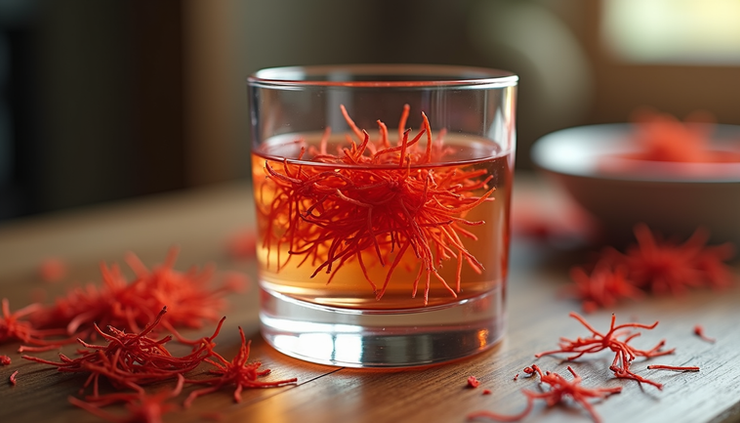
What Is Saffron Water?
Saffron water is made by soaking a few strands of saffron in warm or room temperature water for several minutes. The water absorbs the color, aroma, and compounds from the saffron threads, resulting in a fragrant, slightly sweet, and earthy drink. Saffron itself is a spice derived from the dried stigmas of the Crocus sativus flower. It has been prized for centuries for its culinary, medicinal, and aromatic qualities.
Unlike coffee, saffron water contains no caffeine. Instead, it offers a range of bioactive compounds such as crocin, safranal, and picrocrocin. These compounds contribute to saffron’s antioxidant, anti-inflammatory, and mood-enhancing properties.
Benefits of Drinking Saffron Water
Supports Mood and Reduces Stress
Several studies have shown saffron’s potential to improve mood and reduce symptoms of mild to moderate depression. The compounds in saffron may increase levels of serotonin and dopamine, neurotransmitters linked to happiness and relaxation. Drinking saffron water regularly might help ease anxiety and promote a sense of calm without the stimulating effects of caffeine.
Enhances Cognitive Function
Saffron’s antioxidants protect brain cells from oxidative stress, which can impair memory and focus. Some research suggests saffron may improve learning and memory performance. This makes saffron water an appealing option for those looking to support mental clarity and cognitive health naturally.
Provides Antioxidant and Anti-Inflammatory Effects
The antioxidants in saffron water help neutralize harmful free radicals in the body. This can reduce inflammation and support overall health. Chronic inflammation is linked to many diseases, so including antioxidant-rich drinks like saffron water in your diet may contribute to long-term wellness.
Gentle Energy Boost Without Jitters
While saffron water does not contain caffeine, some people report feeling a subtle uplift in energy and alertness after drinking it. This effect likely comes from improved mood and reduced stress rather than direct stimulation. For those sensitive to caffeine or wanting to avoid its side effects, saffron water offers a smooth, jitter-free alternative.
How Saffron Water Compares to Coffee
Coffee is well-known for its caffeine content, which blocks adenosine receptors in the brain to reduce tiredness and increase alertness. However, caffeine can cause side effects such as anxiety, digestive upset, and sleep disturbances in some people.
Saffron water differs in several key ways:
No caffeine: It won’t cause jitters or interfere with sleep.
Mood support: It may improve mood through neurotransmitter balance rather than stimulation.
Antioxidants: Both coffee and saffron contain antioxidants, but saffron’s profile includes unique compounds with anti-inflammatory benefits.
Calming effect: Saffron water may promote relaxation alongside alertness, unlike coffee’s purely stimulating effect.
For people who want to reduce caffeine intake or avoid its side effects, saffron water can be a refreshing and healthful substitute.
Saffron Water and ADHD: What Does Research Say?
Attention Deficit Hyperactivity Disorder (ADHD) affects focus, impulse control, and hyperactivity. Traditional treatments often involve stimulant medications, which can have side effects or be unsuitable for some individuals. Natural alternatives that support brain function and mood are of growing interest.
Potential Benefits for ADHD Symptoms
Some early studies and anecdotal reports suggest saffron may help improve attention and reduce hyperactivity. The possible reasons include:
Neurotransmitter regulation: Saffron’s impact on serotonin and dopamine may help balance brain chemicals involved in attention and mood.
Antioxidant protection: Reducing oxidative stress in the brain could support cognitive function.
Mood stabilization: Managing anxiety and mood swings can improve overall focus and behavior.
A small clinical trial published in 2019 compared saffron extract to methylphenidate (a common ADHD medication) in children and adolescents. The study found saffron was similarly effective in reducing ADHD symptoms with fewer side effects. While promising, more extensive research is needed to confirm these findings and establish safe dosing.
How to Use Saffron Water for ADHD Support
If you want to try saffron water as a complementary approach for focus and mood, consider these tips:
Use high-quality, pure saffron threads.
Steep 3-5 threads in warm water for 10-15 minutes.
Drink once or twice daily, preferably in the morning or early afternoon.
Combine with other healthy habits like balanced nutrition, exercise, and good sleep.
Always consult a healthcare professional before using saffron or any supplement for ADHD, especially if you or your child are on medication.
Practical Tips for Making and Enjoying Saffron Water
Choose quality saffron: Look for deep red threads with a strong aroma. Avoid powders or blends with fillers.
Use warm water: Hot water extracts flavor and compounds faster but avoid boiling water to preserve delicate nutrients.
Add natural flavor enhancers: A squeeze of lemon, a touch of honey, or a few mint leaves can complement saffron’s taste.
Drink fresh: Prepare saffron water fresh daily for the best flavor and benefits.
Experiment with timing: Some prefer it in the morning as a coffee alternative, others as a calming drink before bed.
Other Health Benefits of Saffron Water
Beyond mood and focus, saffron water may offer additional health perks:
Supports digestion: Saffron has been used traditionally to soothe stomach discomfort.
May improve skin health: Antioxidants in saffron can protect skin cells and promote a healthy complexion.
Helps regulate appetite: Some studies suggest saffron may reduce snacking and support weight management.
These benefits add to saffron water’s appeal as a versatile, natural wellness drink.
Saffron water offers a unique combination of mood support, cognitive benefits, and gentle energy without caffeine’s drawbacks. For those seeking a natural alternative to coffee, it provides a flavorful, calming option. Early research also points to saffron’s potential in easing ADHD symptoms, making it worth exploring as part of a holistic approach to focus and mental well-being.
Cleopatra’s Saffron Water Ritual
4
Historical writings from Greek and Egyptian sources describe Cleopatra using saffron in baths and drinks for mood, vitality, and skin glow. Saffron was one of the most valuable substances in the ancient world—literally worth its weight in gold.
While the exact recipe isn’t recorded, historians and herbalists reconstructed a simple saffron tonic inspired by these traditions.
The “Queen’s Saffron Water”
Ingredients
6–8 saffron threads
1 cup warm water
½ tsp honey
2–3 rose petals or a drop of rose water (optional)
tiny squeeze of lemon
Method
Crush the saffron threads gently.
Add 2 tablespoons warm water and let them bloom for 5–10 minutes.
Pour in the rest of the water.
Stir in honey and lemon.
Add rose petals if you want the full “queen energy.”
Drink slowly.
Why this combination works
Each ingredient had a purpose historically:
Saffron
mood uplifting
antioxidant
circulation support
Rose
calming to the nervous system
associated with emotional healing and love energy
Honey
antimicrobial
soothing to the throat and digestion
Lemon
digestion and vitamin C
Together they create something that’s both a wellness drink and a sensory ritual.
If you want to make it extra special
Some people turn it into a morning ritual:
Hold the warm cup.
Take three slow breaths.
Set an intention for the day.
Drink the saffron water slowly.
It becomes a moment of grounding and clarity before the day starts.
One small safety note
Daily saffron intake should stay around:
10–30 mg per day(which equals roughly 5–10 threads)
Large amounts aren’t recommended because saffron is very potent.
In traditional medicine systems, saffron is often described as:
“A plant that brings light to the heart.”
Which is actually a beautiful metaphor when you think about:
depression
grief
emotional heaviness
It’s one of the few herbs historically associated with lifting emotional darkness, not just physical symptoms.
1. Saffron and Depression Support
Researchers have studied saffron for its effects on mood, and some clinical trials have found that small doses of saffron extract performed similarly to certain antidepressants for mild to moderate depression.
Why?
Saffron contains compounds called:
Crocin
Safranal
These compounds appear to influence serotonin regulation, which is a key neurotransmitter related to mood, emotional balance, and motivation.
What’s beautiful about this is that saffron has historically been used as a “joy herb” in Persian and Ayurvedic traditions.
(Important note: it’s not a replacement for medical treatment, but it’s an interesting supportive tool.)
2. Nervous System Regulation
Saffron may help calm the nervous system and reduce stress and anxiety signals in the brain.
Some research suggests saffron helps regulate:
cortisol (stress hormone)
oxidative stress in the brain
This is one reason saffron drinks are often consumed in the evening or during emotional overwhelm.
3. Emotional Resilience
One lesser-known effect of saffron is that it may help with emotional reactivity and mood swings.
This is why it’s often studied for:
PMS mood symptoms
emotional irritability
fatigue related to stress
Many herbalists describe saffron as “lifting emotional fog.”
4. Brain Protection and Cognitive Support
Crocin—the compound that gives saffron its golden color—has been studied for potential neuroprotective effects.
Research suggests it may help support:
memory
cognitive clarity
protection against oxidative stress in brain cells
Some early studies even explore saffron for Alzheimer’s prevention research.
5. Appetite and Emotional Eating Regulation
Saffron may also influence dopamine and satiety signals, which can help regulate emotional eating patterns.
Some studies found saffron helped people:
feel full sooner
reduce snacking
improve emotional control around food
This may be connected to its mood-stabilizing effects.
Why Real Saffron Turns Golden, Not Red
4
Real saffron threads are the dried stigmas of the flower Crocus sativus.
When they soak in water, they release a compound called crocin, which creates that deep golden-yellow color.
Even though the threads themselves are deep red, the pigment that dissolves into water is yellow-gold, not red.
That’s why authentic saffron water looks like liquid sunlight.
The 3 Signs of Real Saffron
1. Color releases slowly
Real saffron takes several minutes to release color.
If the water turns bright red instantly, it’s likely dyed or fake.
2. The threads keep their shape
Fake saffron often dissolves or breaks apart.
Real saffron threads stay intact and look like tiny red trumpet-shaped strands.
3. The flavor is complex
Real saffron tastes:
slightly sweet
slightly earthy
slightly honey-like
Fake saffron tastes bitter or metallic.
Why saffron is so expensive
Saffron is the most expensive spice in the world because harvesting it is incredibly labor-intensive.
Each flower only produces three tiny stigmas.
And those have to be picked by hand.
To produce one pound of saffron, it takes roughly:
75,000–100,000 flowers.
Which is wild when you think about it.
A fun ritual you might enjoy
Because you connect so strongly with water energy, you could turn saffron water into a small grounding ritual.
Add your saffron threads to water.
Watch the color slowly bloom.
Take a few breaths while it turns gold.
It’s almost like watching light enter the water.
A Simple Saffron Water Ritual for an Emotional Reset
Sometimes healing doesn’t come from something big or dramatic. Sometimes it comes from small, intentional moments that remind us we are still here.
Saffron has been called the “sunshine spice” for thousands of years. When the tiny threads touch water, they slowly release a golden color that looks like sunlight blooming in a glass.
You can turn that moment into a simple emotional reset.
Try this:
Place 5–10 saffron threads into a cup of water.
Watch as the water slowly turns gold.
Take three slow breaths while it blooms.
Set a small intention for the day.
Your intention doesn’t have to be profound.
It can be something simple like:
Today I will be gentle with myself.
Today I will keep going.
Today I will choose hope.
Then drink the water slowly.
Think of it as drinking a little bit of sunlight.
Sometimes the smallest rituals are the ones that remind us that healing is still possible.
Try the 3-Day Saffron Reset Challenge
Sometimes we need a small pause—a moment to reconnect with ourselves and reset our energy. The 3-Day Saffron Reset is a simple ritual designed to help you slow down, breathe, and bring a little more light into your day.
What you need
5–10 saffron threads
1 cup warm or room-temperature water
Optional: a little honey or lemon
Let the saffron bloom in the water for a few minutes until the liquid turns a beautiful golden color.
Day 1 – Pause
Take five minutes for yourself.
While the saffron blooms, ask yourself:What do I need today?
Maybe it’s rest. Maybe it’s support. Maybe it’s simply permission to move through the day at your own pace.
Drink the saffron water slowly and allow yourself that space.
Day 2 – Compassion
As the saffron turns the water golden, think of one way you can show yourself kindness today.
It could be:
taking a walk
stepping away from something overwhelming
texting a friend
or giving yourself credit for making it through a hard moment
Drink your saffron water and remind yourself that small acts of care matter.
Day 3 – Intention
Today is about hope.
While the saffron blooms, set a simple intention:
What is one small thing I want to move toward?
It doesn’t have to be big.Healing rarely happens in giant leaps—it happens in tiny, consistent steps.
Drink your saffron water and carry that intention with you through the day.
Share Your Reset
If you try the 3-Day Saffron Reset, share your experience with us. Your story may encourage someone else who needs a moment of light.
Because sometimes healing begins with something as simple as watching a glass of water turn to sunlight.
A Note from CTFOD
Wellness practices like saffron water are not meant to replace professional mental health care, but small rituals of self-care can help us reconnect with ourselves when life feels heavy.
Every day is another chance to take off the mask and come back to yourself.
helpful links:
Saffron water, made by soaking a few strands in warm water, is a potent antioxidant-rich beverage that promotes glowing skin, reduces pigmentation, and supports collagen production. Regular, moderate consumption helps boost mood, ease anxiety, manage PMS symptoms, support digestion, and potentially aid in weight management.
NDTV Food +4
Key Health Benefits of Saffron Water
Radiant Skin and Anti-Aging: Saffron’s components, such as crocin, help reduce melanin production, resulting in fewer dark spots and a more even skin tone. It also protects skin from UV damage, aiding in a more youthful complexion.
Mood Enhancement and Cognitive Health: It is known to boost mood, alleviate anxiety, and reduce symptoms of depression
. Some studies suggest it may support cognitive function in Alzheimer's patients.
Menstrual Pain Relief: Saffron water can significantly reduce the physical and emotional symptoms of PMS, including cramps and mood swings.
Improved Digestion and Immunity: It aids in reducing bloating, gas, and indigestion. High levels of riboflavin (Vitamin B) support a healthy immune system.
Weight Management: It may reduce snacking frequency and increase feelings of fullness, supporting healthy weight management goals.
Eye Health: Saffron has been linked to protecting against age-related macular degeneration (AMD).
Healthline +11
How to Prepare and Consume
For best results, soak 3-5 high-quality saffron strands in a cup of lukewarm water for at least 10-15 minutes (or overnight) and drink it on an empty stomach in the morning.
While safe for most, it is recommended to consult a doctor if you are pregnant, nursing, or taking specific medications.
NDTV Food +4
Key Considerations:
Moderation is key: Do not consume excessive amounts daily.
Source Quality: Ensure you are using pure saffron to get the maximum benefits.
more helpful links:


Comments